Heimdal Security
From endpoint to email, identity to cloud, Heimdal simplifies security operations and equips your team with the tools to scale, adapt and stay resilient in the face of modern cyber threats.
Product Designer
Role
2019–2020
Timeframe
Enhance UX/UI
Main Design Focus
B2B & B2C
Users
What is this about?
Project Overview
Heimdal is a cybersecurity company focused on delivering multiple layers of protection through a single unified platform. Rather than relying on multiple disconnected security products, Heimdal combines threat prevention, endpoint protection, patch management, privileged access management, email security, vulnerability management and other security capabilities into one ecosystem.
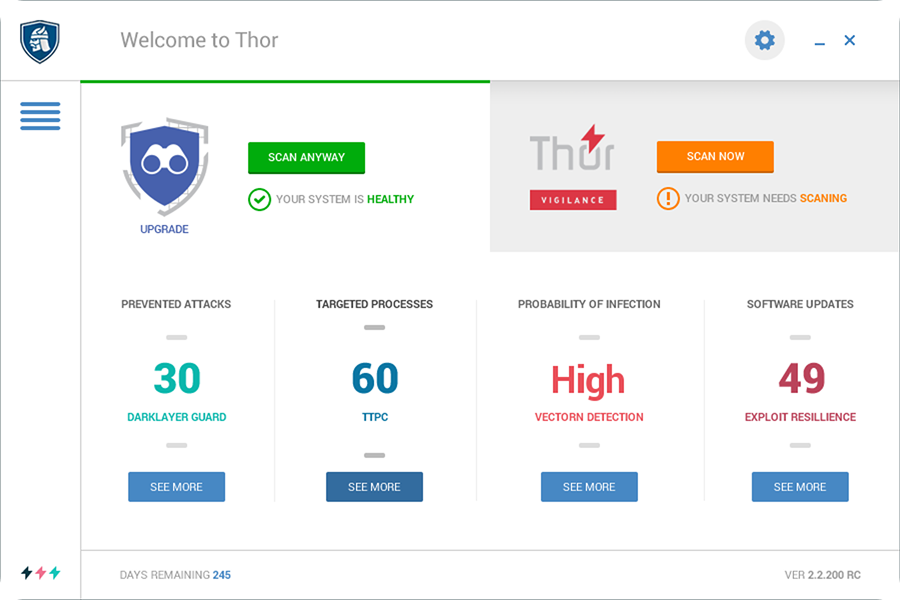
This vision of one platform, total security is what originally made Heimdal stand out in the cybersecurity market. When I joined the project, the Heimdal Agent was primarily built around two core pillars:
Proactive Protection Module
- DarkLayer Guard (web traffic filtering and prevention)
- VectorN Detection (machine learning-based threat detection)
- TTPC (Traffic and Threat Prevention Control)
- Patch & Asset Management
Reactive Protection Module
- Antivirus Capabilities
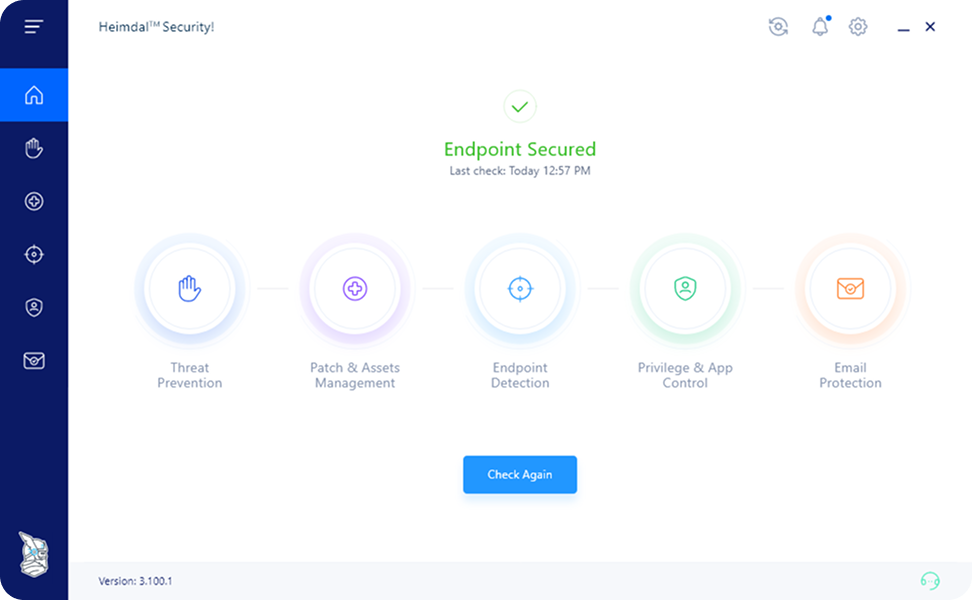
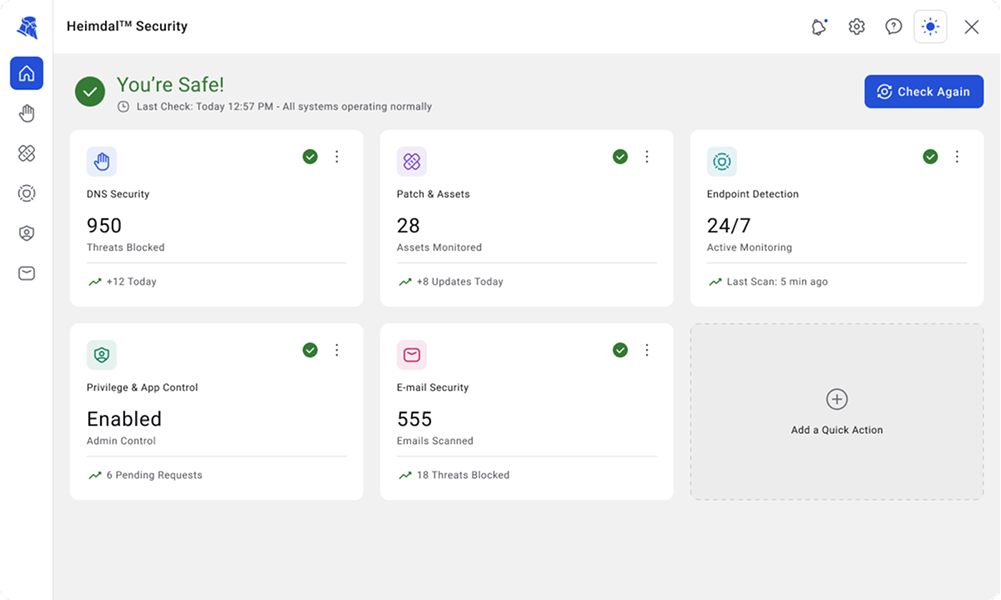
As the platform evolved, additional security modules were introduced, including Privileged Access Management, Email Security, Windows Update Management, Application Control and other enterprise-focused services. The challenge quickly shifted from designing individual features to designing a product experience capable of supporting a growing cybersecurity ecosystem.

The Challenge
As Heimdal grew, more modules and capabilities kept getting added.
That added real value, but it also created new problems for how the product felt to use:
- More features competing for attention.
- More sections meant it got harder to know where things were.
- Each module kept evolving on its own, separate from the others.
- The screen started feeling overwhelming for users.
- B2C and enterprise customers needed different things from the product.
- The Agent, Dashboard and Mobile app needed to stay consistent with each other.
The platform needed to grow without feeling overwhelming to use.
At the same time, the Agent was still the main place users actually touched the product and a big part of what made Heimdal worth choosing. It needed to be easy enough to figure out that people could immediately see the benefit of having all these security tools working together in one place.
Redesigning the UI on its own wouldn't be enough.
The aim was a product foundation that could keep growing and still make a complex cybersecurity platform feel approachable and easy to move through.

My Approach
Rather than designing around individual modules, I focused on creating a unified experience capable of accommodating future expansion.
The strategy centered around three core principles:
Unify
Transform a growing collection of security products into a cohesive ecosystem rather than a collection of disconnected features.
Simplify
Reduce complexity through clearer navigation, stronger visual hierarchy and more predictable interaction patterns.
Scale
Create a framework capable of supporting future modules without requiring major structural redesigns.
How My Approach Helped?
Design Evolution
1st Contribution
Unifying the Experience
The original agent was designed around a smaller number of security capabilities. As additional modules were introduced, maintaining a cohesive experience became increasingly important.
Goal:
The focus was on creating a structure capable of supporting future modules without increasing navigation complexity.
Original Design (< 2020)
Current Design (2020)
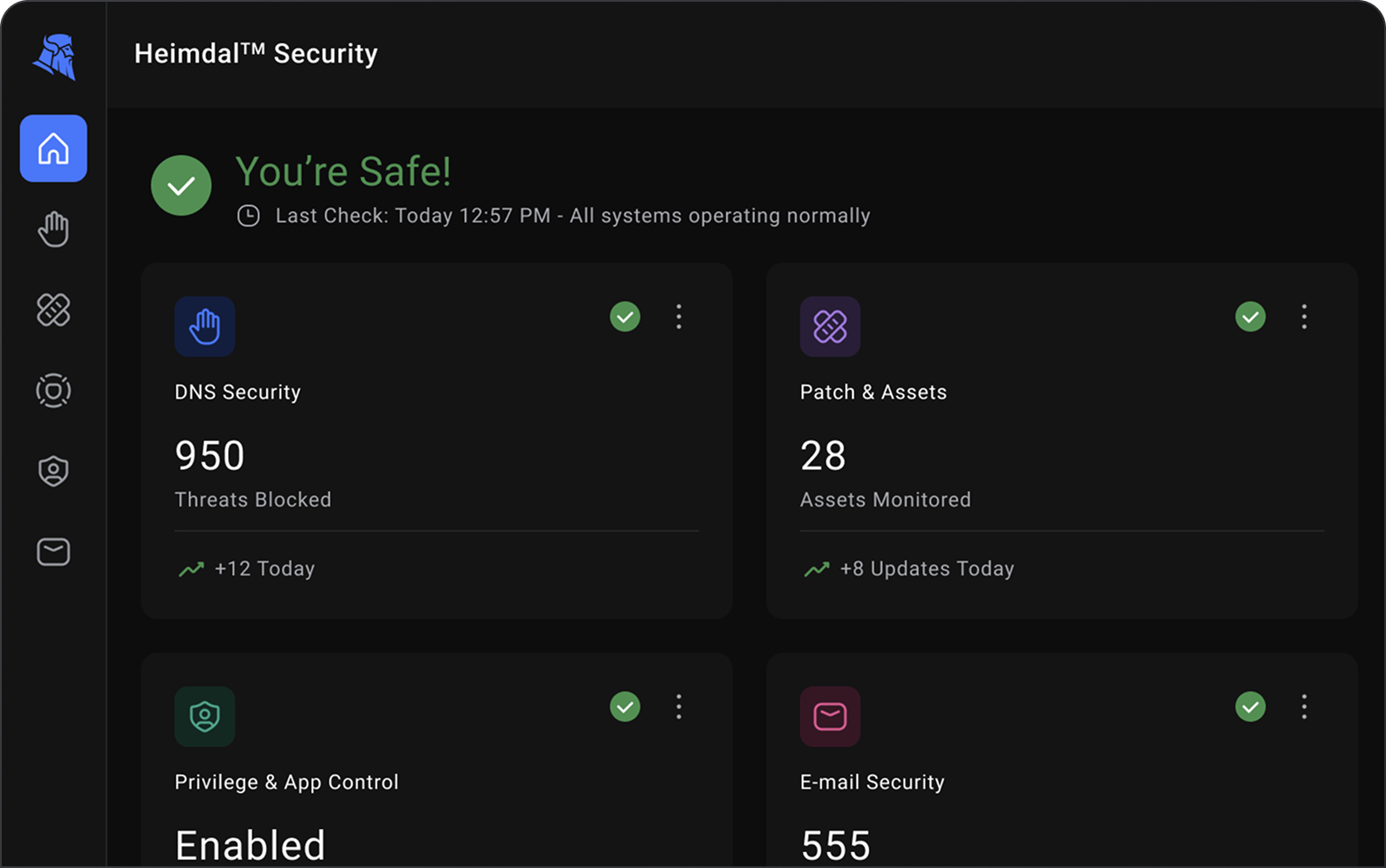
Revamped Design (2026)
2nd Contribution
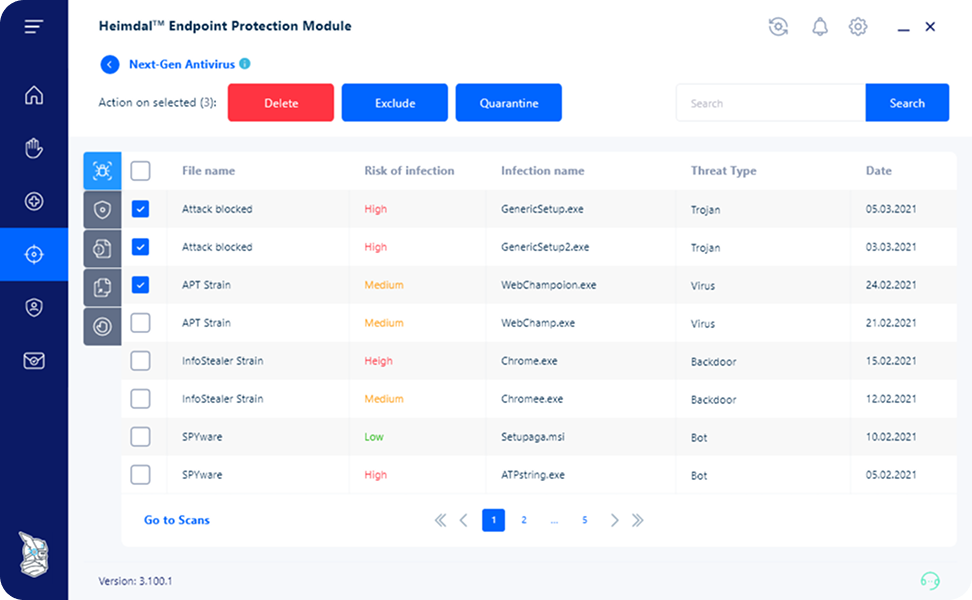
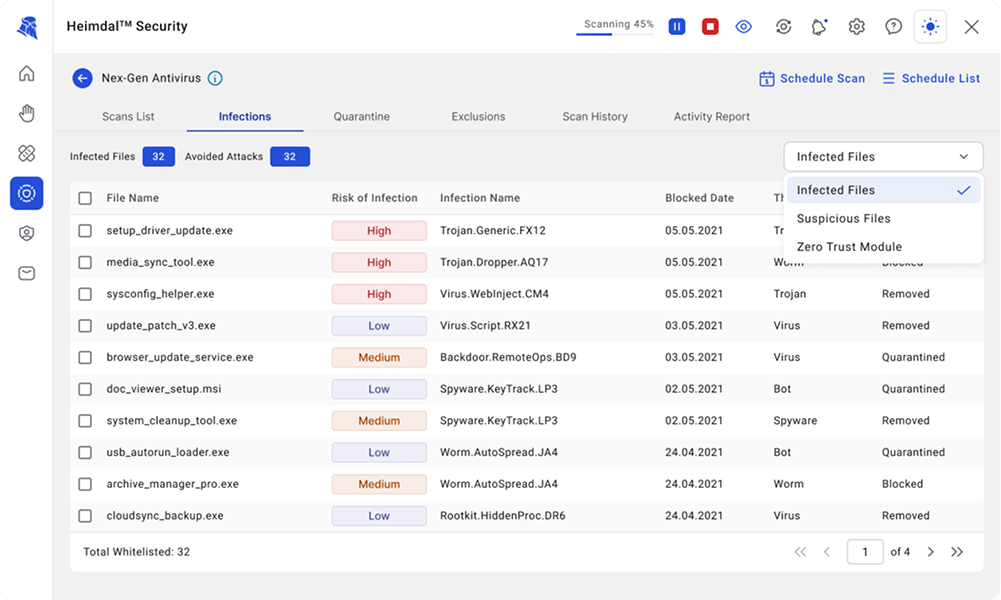
Simplifying Navigation
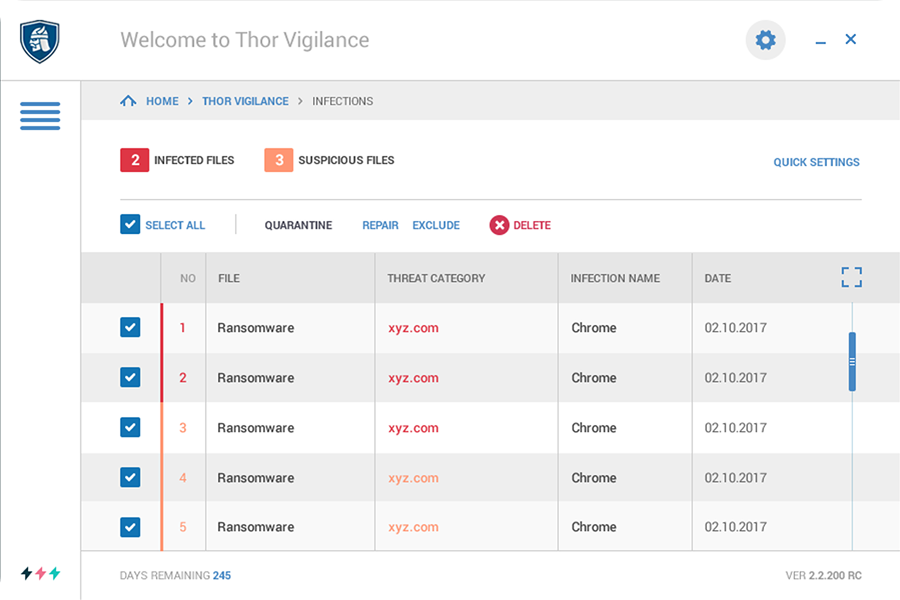
One of the biggest challenges was helping users navigate an expanding cybersecurity platform without feeling overwhelmed.
Goal:
I introduced more visible and familiar navigation patterns inspired by established cybersecurity products, making information easier to discover and reducing cognitive load.
Original Design (< 2020)
Current Design (2020)
Revamped Design (2026)
3rd Contribution
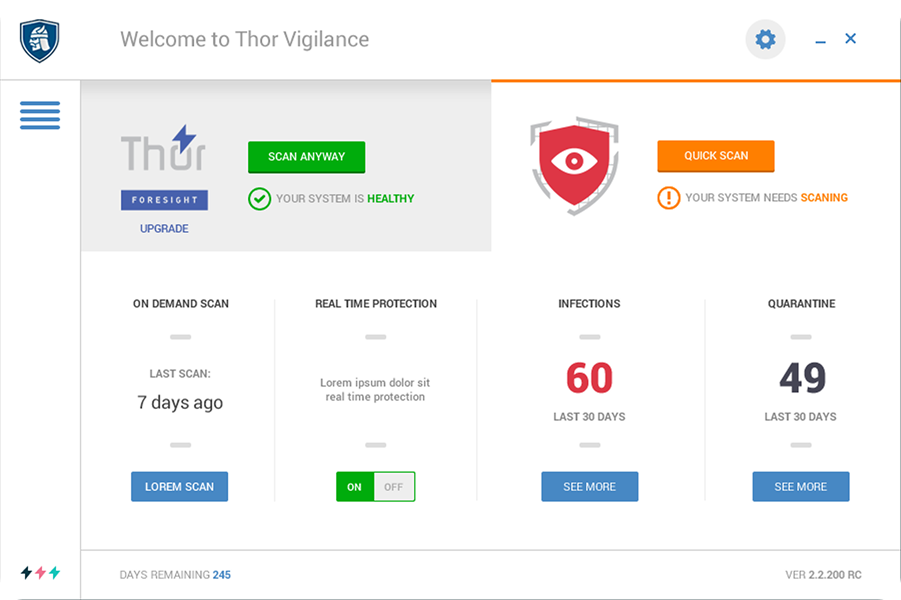
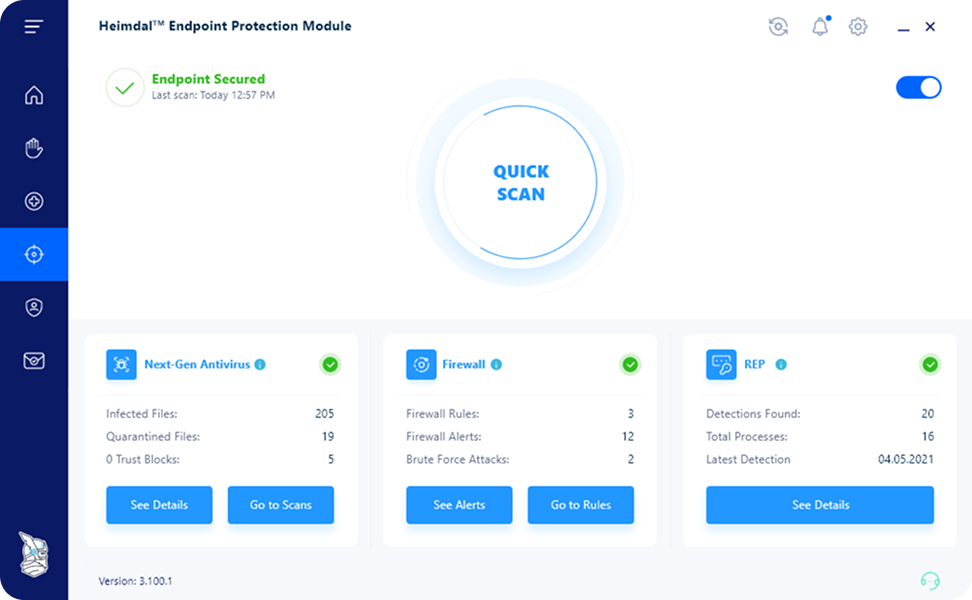
Creating a Unified Visual Language
As the platform evolved, consistency became increasingly important across desktop, dashboard and mobile experiences.
Goal:
The redesign focused on spacing, alignment, hierarchy, accessibility, feedback and visual consistency to create a more mature and cohesive experience.
Original Design (< 2020)
Current Design (2020)
Revamped Design (2026)
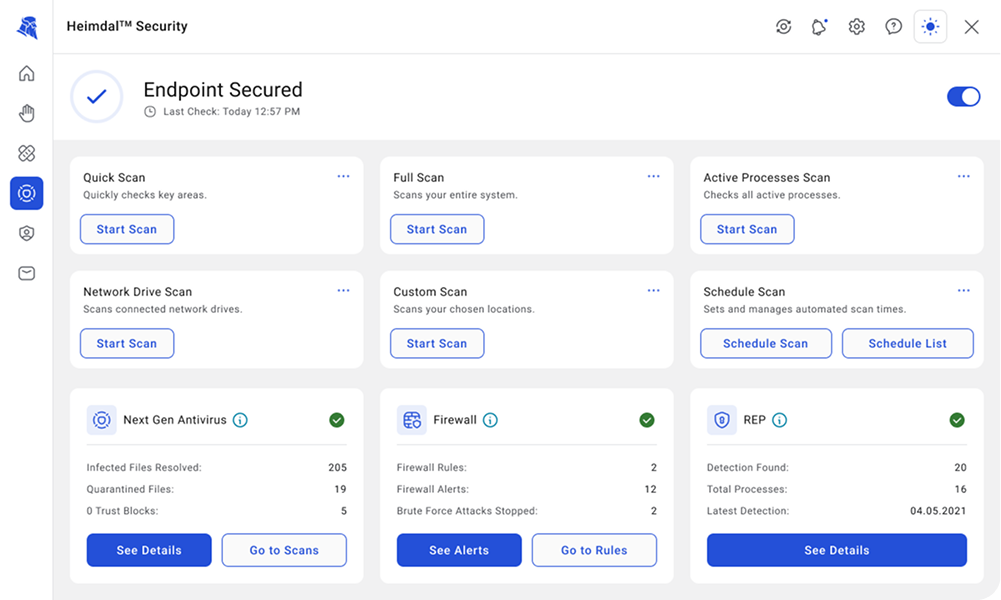
4th Contribution
Refining the User Experience
Small improvements often create the biggest impact.
Goal:
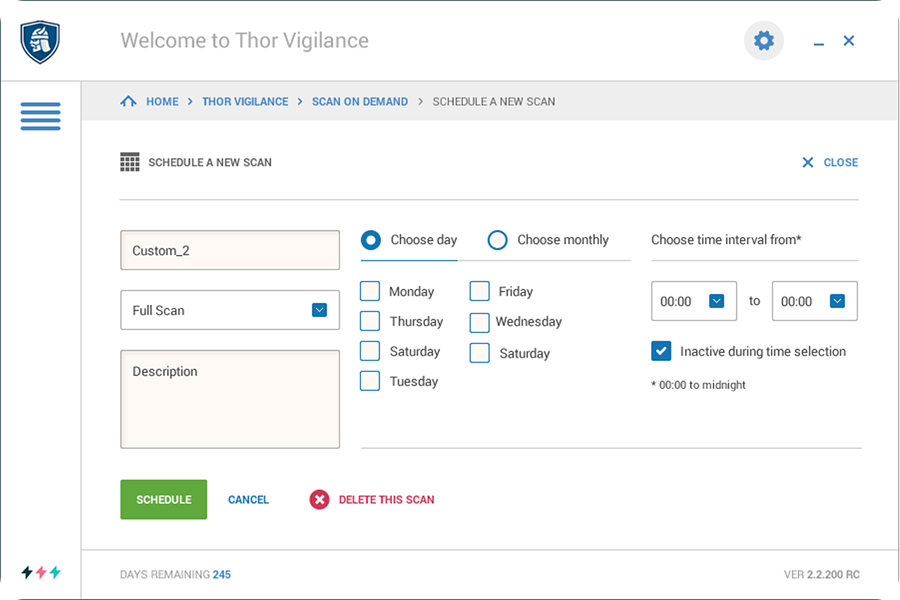
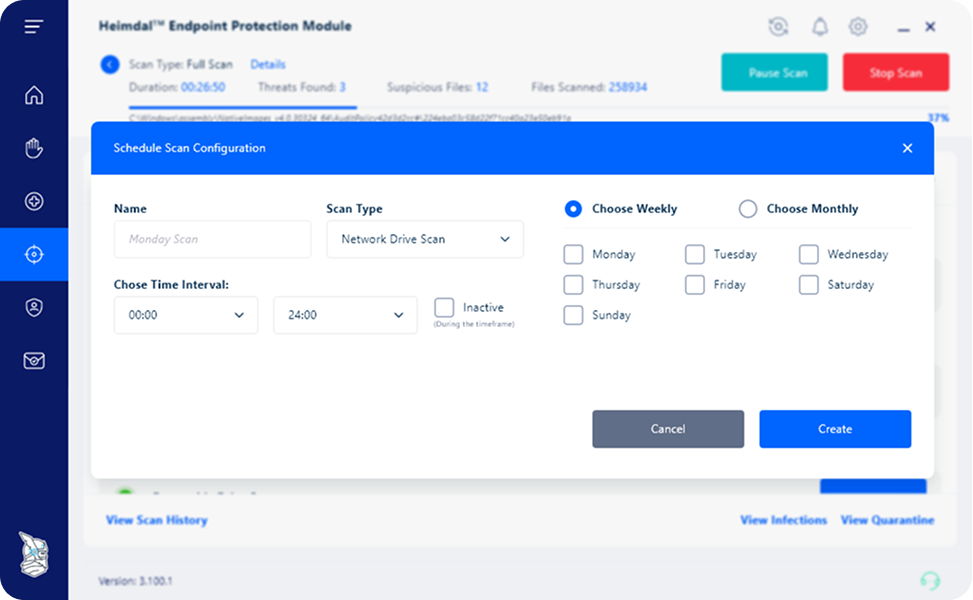
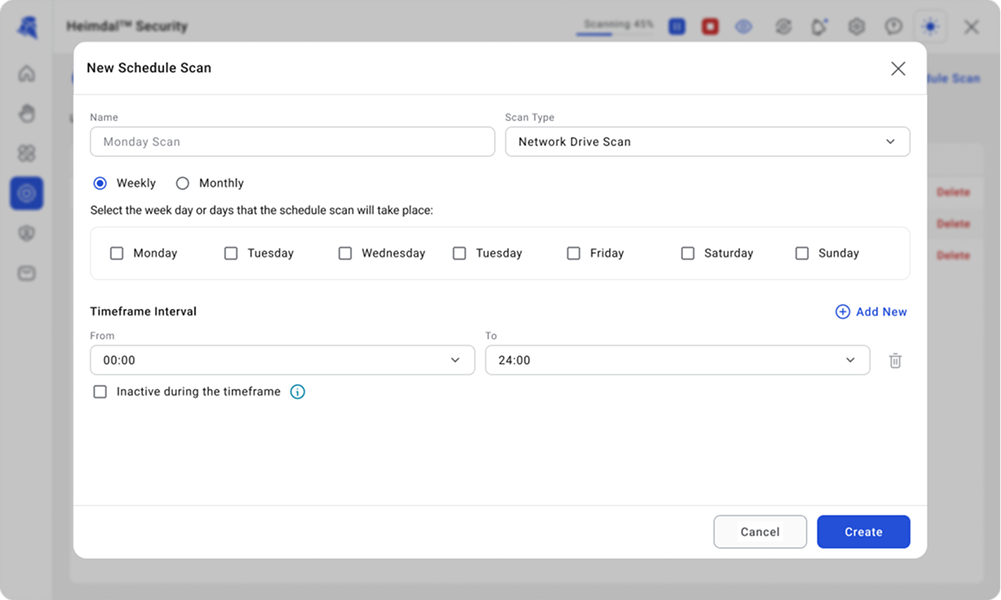
Numerous refinements were made throughout the product, improving discoverability, accessibility, clarity and overall usability.
Original Design (< 2020)
Current Design (2020)
Revamped Design (2026)
Achievements
What Was the Outcome?
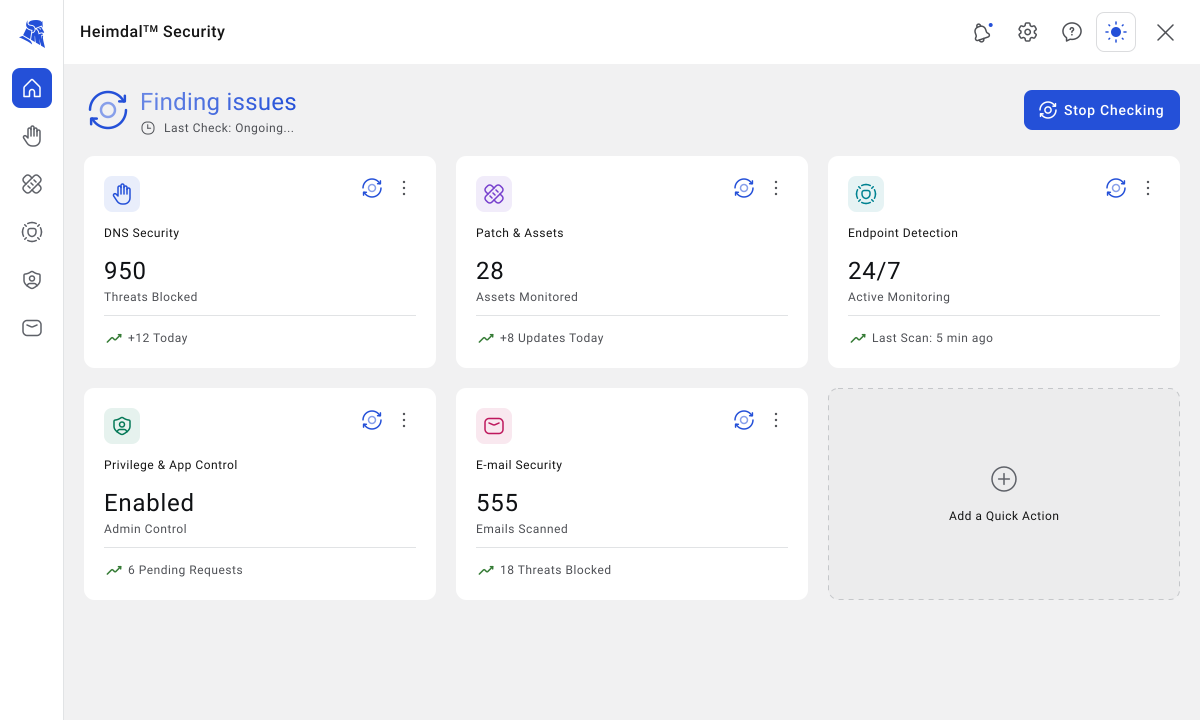
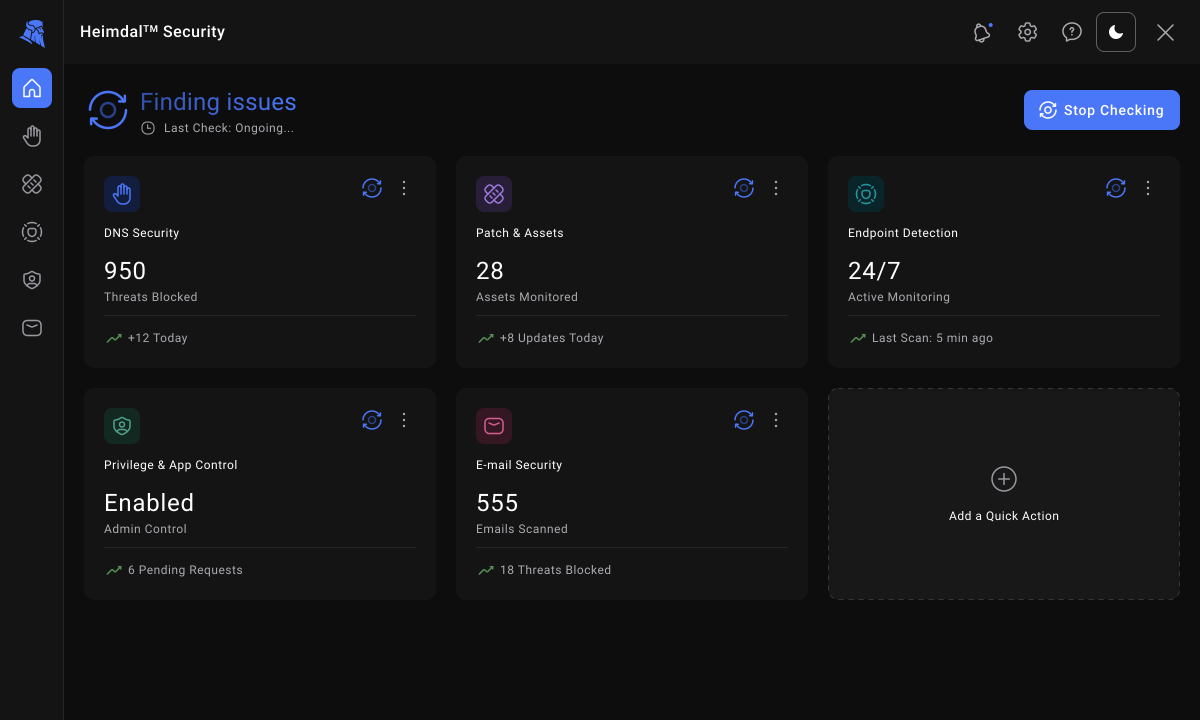
The redesign gave the product a stronger foundation to keep growing on.
Because we focused on scalability, consistency and usability, the platform could support more and more security services without getting harder to use.
This matched Heimdal's bigger goal: give customers a lot of security capability in one platform instead of making them manage a pile of separate products.
Capterra
Reviews frequently mention usability, management simplicity and platform capabilities.
Review SourceReddit (MSP Community)
Real-world discussion from MSPs and IT professionals evaluating Heimdal.
Review SourcePublic customer feedback frequently highlights ease of use, centralized management and the value of having multiple security capabilities available through a single platform.
Key Takeaway
The challenge wasn't redesigning an antivirus.
The challenge was transforming a growing cybersecurity ecosystem into a unified product experience capable of scaling alongside the business while remaining intuitive for the people using it.
Every Product Has a Story
The most interesting ones usually begin with a challenge worth solving.